
Why You Should NEVER Throw Batteries in the Trash (And What Happens If You Do)
Managing household waste effectively requires a clear understanding of safety protocols to protect your home and neighborhood. Placing certain items, such as batteries, in trash containers can lead to immediate and severe consequences for everyone involved. While it might seem convenient to toss small power cells away, this simple action creates a significant fire hazard.
Consequently, understanding the mechanics of waste collection helps explain why these items are so dangerous. Residents must recognize that modern disposal systems are not designed for volatile chemical components. Taking a proactive approach to safety ensures that your neighborhood remains a clean and secure place for all families.
Is It Safe to Put Household Batteries in the Trash?
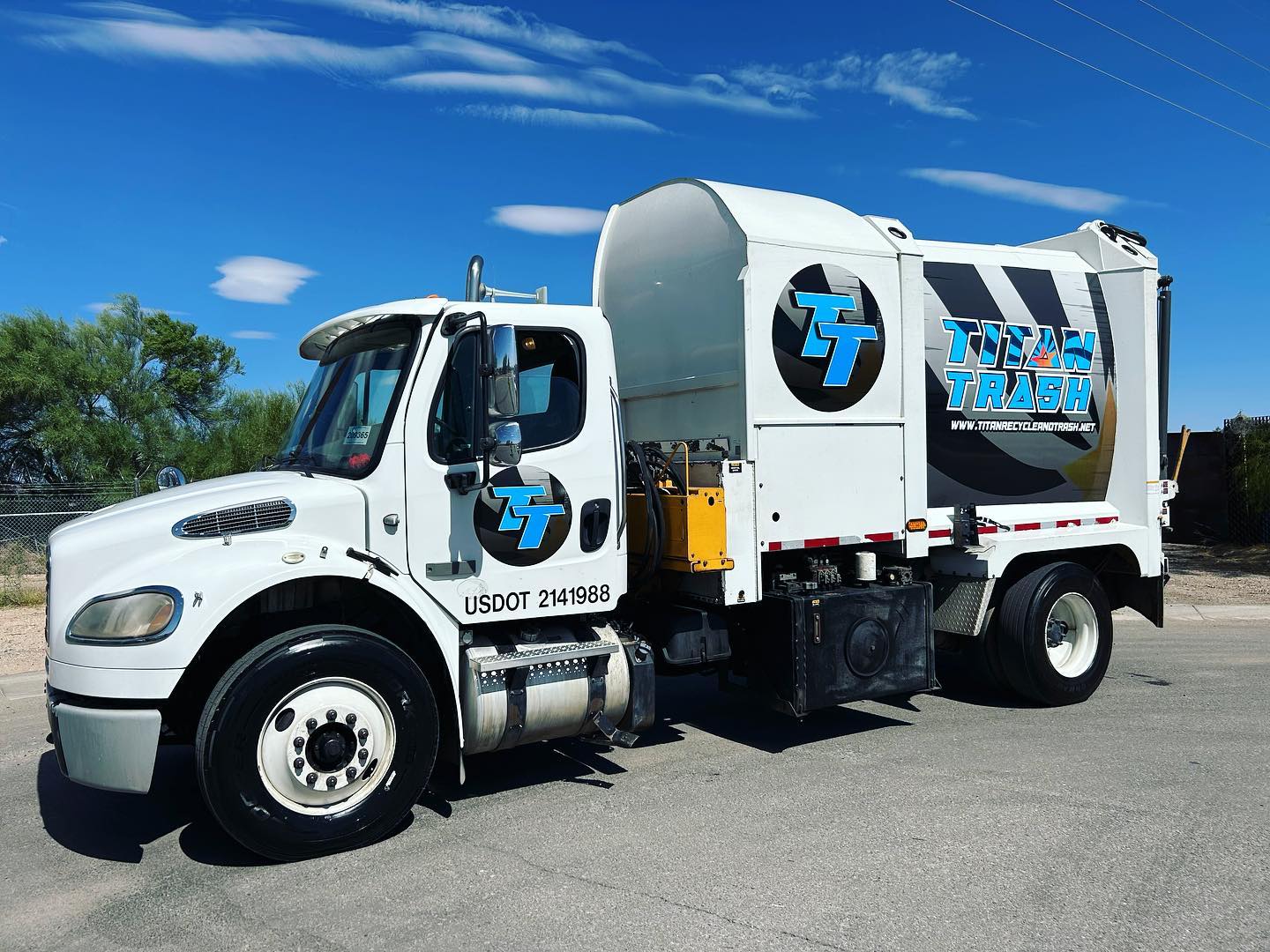
It is never safe to place any type of battery inside a standard waste or recycling container. Because modern waste trucks use high-pressure compaction, any battery inside can easily rupture or short-circuit during the collection trip. This process often leads to intense chemical fires that are incredibly difficult for drivers to extinguish once they ignite.
Why Is Putting Batteries in Trash So Dangerous?
Modern residential waste services rely on powerful hydraulic systems to compress materials and maximize space. When you place batteries in trash bins, they are subjected to thousands of pounds of pressure during the collection cycle. This force can puncture the protective casing of a lithium battery, triggering a rapid thermal runaway.
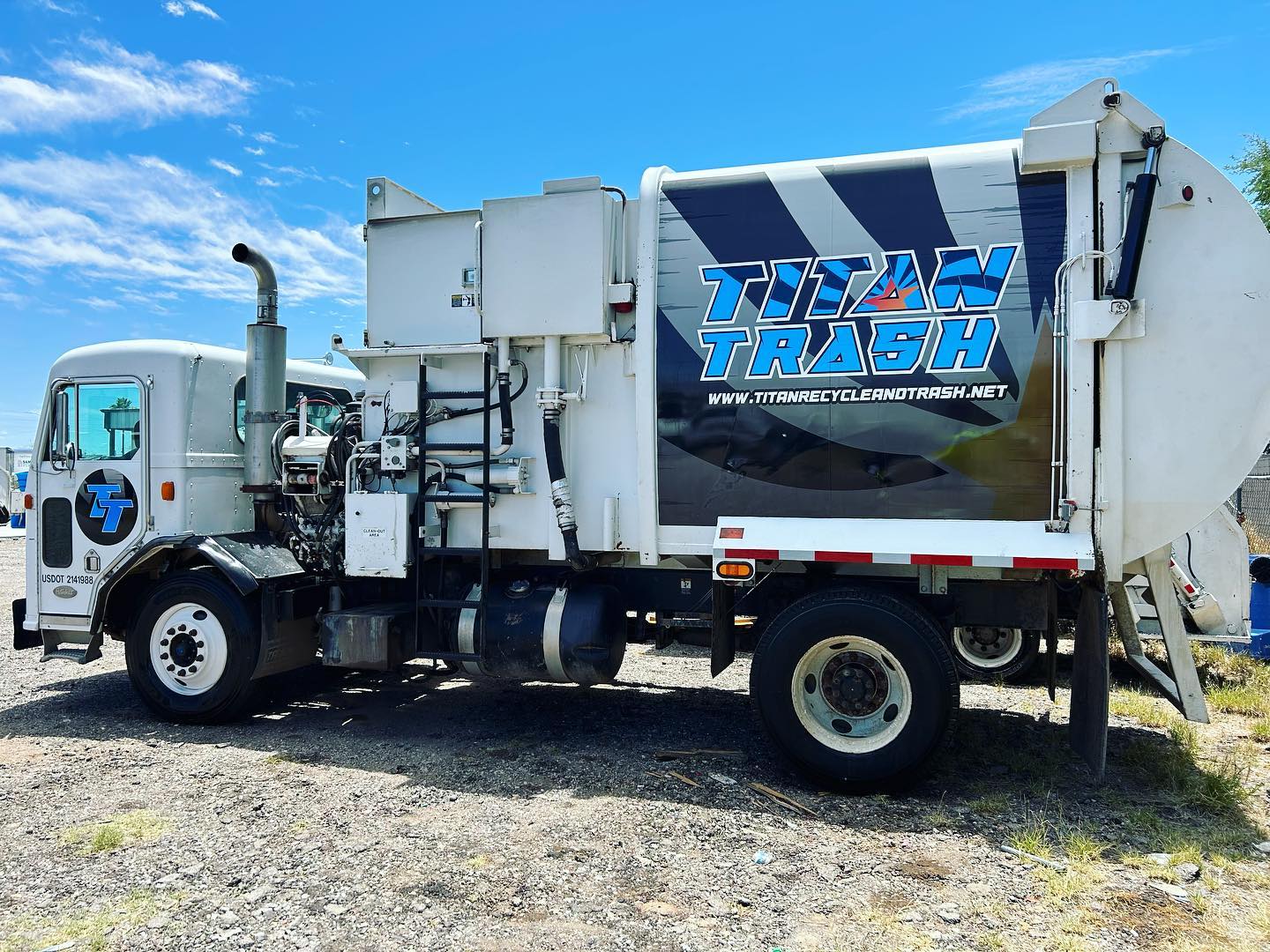
Furthermore, a single spark inside a truck filled with dry paper and cardboard creates an immediate emergency. These fires spread within seconds and often require the driver to dump the entire load onto the street to save the vehicle. Such incidents disrupt local traffic and create hazardous smoke that affects the health of nearby residents.
Because these risks are so high, specialized handling is the only safe way to manage old power sources. You can find more information on handling various materials by reviewing our Recycling Guide for best practices. Following these rules ensures that our local collection teams can complete their routes without facing avoidable life safety threats.
Can Compacted Batteries Cause Immediate Fires?
When a truck engages its packing blade, the friction and pressure create a volatile environment for discarded electronics. Even small button cells or alkaline varieties can short out if they touch other metal objects in the bin. Consequently, the resulting heat can ignite surrounding waste materials before the truck even leaves your street.
Lithium-ion batteries are found in laptops and phones.
Rechargeable nickel-cadmium batteries from power tools.
Small button cell batteries used in watches or toys.
Standard alkaline batteries that may still hold a residual charge.
Lead-acid batteries are often found in emergency lighting or vehicles.
Therefore, the compaction process acts as a catalyst for chemical reactions that would not occur in a standard storage setting. Residents should never assume that a dead battery is harmless because it can still carry enough energy to start a fire. Keeping these items separate is a primary requirement for maintaining neighborhood cleanliness and operational safety.
How Do Truck Fires Impact Your Neighborhood?
If a fire starts inside a waste vehicle, the driver must immediately find a safe location to address the hazard. This often involves discharging the burning material directly onto the pavement to prevent a total vehicle explosion. As a result, your street could be blocked for hours while emergency crews manage the chemical debris and runoff.
Additionally, these fires release toxic fumes that are much more dangerous than those from typical wood or paper fires. Since batteries contain heavy metals and acids, the smoke carries pollutants that can linger in the air near your home. Protecting the environment and your neighbors starts with the simple choice to use designated drop-off locations for all hazardous waste.
Reliable service depends on keeping the equipment functional and the operators safe. When residents avoid placing batteries in trash bins, they contribute to a reliable trash pickup experience for the entire community. Consistent service is only possible when the waste stream remains free of volatile and flammable chemical components.
Which Common Items Contain Hidden Batteries?
Many people unintentionally create hazards because they do not realize their household gadgets contain permanent power cells. Common items like electric toothbrushes, music-playing greeting cards, and even some disposable vapes are frequently discarded incorrectly. Because these objects look like plastic or paper, they are often mistaken for standard refuse during a quick cleanup.
Electronic toys and handheld gaming devices.
Wireless headphones and Bluetooth speakers.
Solar-powered garden lights and decorative lamps.
Smart home sensors and remote control units.
Power tools with integrated or removable battery packs.
Before clearing out a junk drawer or disposing of old electronics, check for the universal battery symbol on the casing. Taking a moment to inspect these items prevents accidental fires and keeps dangerous chemicals out of local landfills. Maintaining an organized home involves sorting these specialized materials properly to ensure they reach the correct processing facility.
Where Should You Take Old Batteries?
Safe disposal is easy once you identify the local resources available for hazardous household waste. Most hardware stores and electronics retailers offer free kiosks where you can drop off rechargeable or lithium cells. By using these dedicated channels, you ensure that the materials are recycled or neutralized in accordance with environmental regulations.
Moreover, local municipalities often host collection events specifically designed for items that cannot go in the curbside bin. You should always tape the terminals of your batteries before transporting them to prevent them from touching and sparking. This small extra step provides an additional layer of safety for the workers who handle the recycling containers.
Finally, please refer to our official Policies to understand the full list of prohibited items for your curbside service. Staying informed about these rules helps keep the community safe and ensures that your waste is handled responsibly. Proper disposal habits protect our drivers and keep our Southern Arizona neighborhoods clean for everyone.
Protecting Southern Arizona Communities Through Safe Disposal
Improper disposal of batteries in the trash poses real safety risks to drivers and your community. Simple changes in how you handle these items can prevent fires and protect everyone on your route. Consistent adherence to these safety standards ensures that waste collection remains a smooth and predictable part of your weekly routine.
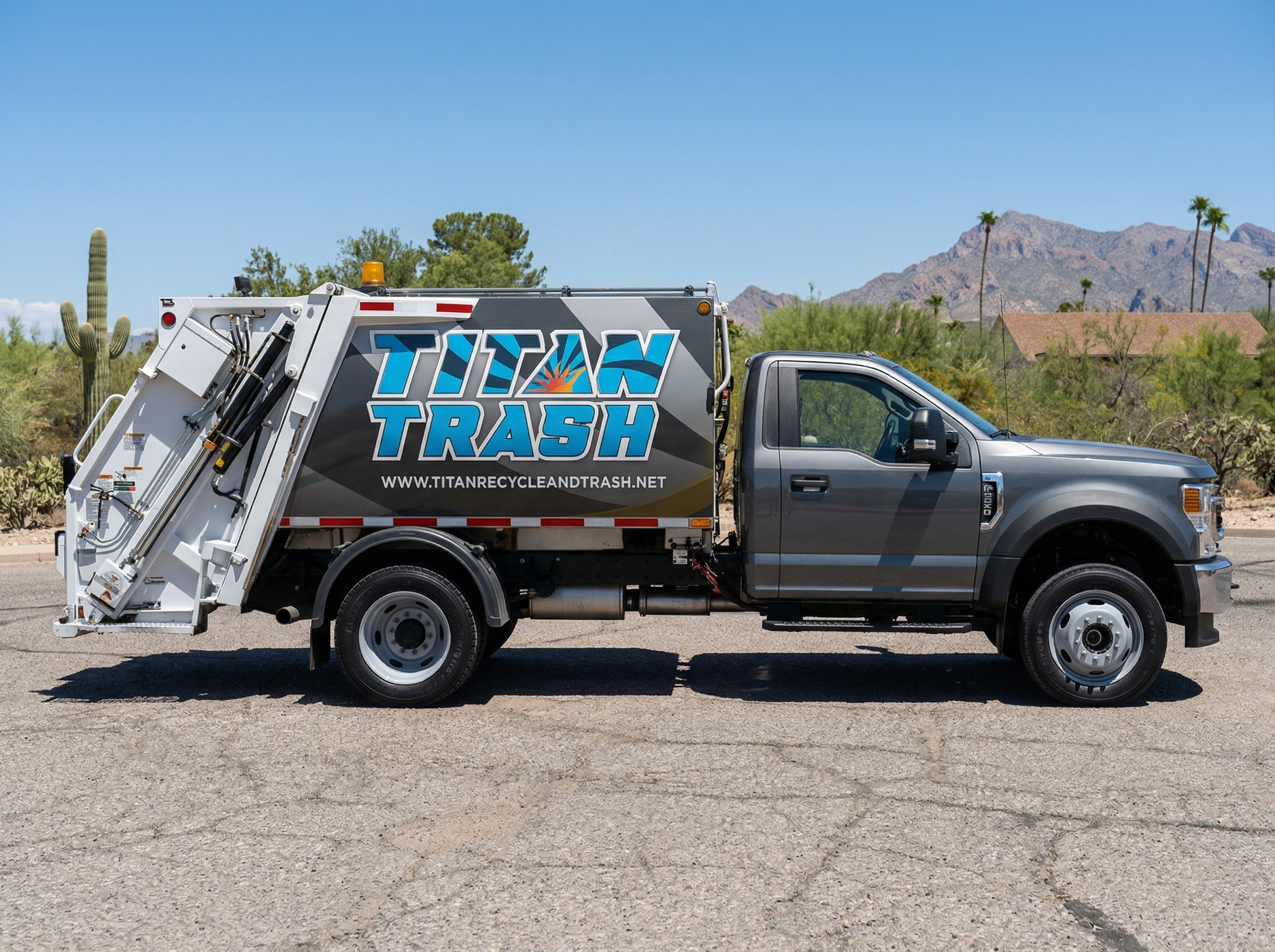
Titan Recycle and Trash encourages all customers to follow proper disposal guidelines and use approved drop-off locations. Help us keep your community safe by keeping batteries out of your trash containers. If you have questions about specific items or need to report a service issue, please reach out through our contact page.