
Why Recycling Schedule Helps Residents Stay Organized
A recycling schedule brings structure to something most households already handle on auto-pilot, yet often without much consistency. Clear pickup timing helps you avoid overflowing bins, missed collection days, and unnecessary clutter around your home. When recycling feels predictable, staying organized becomes far easier week-to-week.
Many residents want to recycle responsibly but struggle when timing feels unclear or constantly shifting. Consistent schedules remove guesswork and help recycling fit naturally into day-to-day routines. Organization improves when expectations stay clear and easy to follow.
How a Recycling Schedule Keeps Households Organized
A recycling schedule keeps households organized by setting a clear, repeatable routine for sorting and placing recyclables. Predictable pickup days reduce clutter and prevent recyclable materials from piling up inside the home. Organized recycling supports cleaner living spaces and smoother week-to-week habits.
Why a Recycling Schedule Reduces Day-to-Day Household Stress
A recycling schedule reduces day-to-day stress by removing uncertainty around when materials need to go out for collection. Clear timing means fewer last-minute scrambles and fewer forgotten bins sitting curb-side too long. Consistent recycling schedules help you feel more in control of routine household tasks.

Households benefit when recycling fits naturally into existing schedules instead of disrupting evenings or weekends. Predictable pickup allows you to plan sorting without constantly checking reminders or calendars. A recycling schedule supports organization without adding mental load.
Over time, consistent routines make recycling a habit rather than a recurring decision. You spend less energy managing logistics and more time focusing on daily priorities. A recycling schedule keeps organization steady instead of reactive.
How a Recycling Schedule Supports Cleaner Community Spaces
A recycling schedule supports cleaner community spaces because timing removes confusion about when materials should leave the home. When everyone operates on the same rhythm, bins stay manageable and shared areas remain usable. Clear schedules prevent small messes from quietly becoming neighborhood-wide problems.
A recycling schedule improves shared spaces through several practical outcomes that residents notice quickly. Each benefit works together to keep common areas cleaner and easier to manage.
A recycling schedule prevents bins from overflowing into shared walkways and collection enclosures. Cleaner areas reduce odors and discourage pests from lingering nearby.
Consistent pickup timing keeps recycling areas orderly throughout the week. Order makes shared spaces easier and less frustrating to use.
Predictable schedules discourage improper dumping caused by uncertainty or missed days. Clear expectations remove excuses for careless disposal.
Regular recycling collection supports safer common areas for children, pets, and foot traffic. Clean spaces reduce avoidable hazards.
A recycling schedule reinforces shared responsibility across the neighborhood. Collective participation keeps spaces cleaner over time.
When recycling feels coordinated, residents stop monitoring what neighbors are doing or not doing. Clean shared spaces become the norm rather than something that requires reminders. A recycling schedule supports community pride without constant oversight.
What a Recycling Schedule Simplifies for Busy Households
A recycling schedule simplifies life for busy households because it removes another variable from already crowded weekly routines. Clear timing means fewer mental checklists and fewer forgotten bins. Recycling fits into life instead of interrupting it.
Busy households benefit from systems that run quietly without demanding attention. Predictable pickup prevents evening disruptions and last-minute adjustments. A recycling schedule keeps routines flowing instead of forcing constant recalibration.
Consistency also helps households manage space more effectively. Recyclables move out regularly instead of piling up indoors. A recycling schedule keeps homes feeling organized without added effort.
Why a Recycling Schedule Matters for HOA-Managed Communities
A recycling schedule matters for HOA-managed communities because shared expectations only work when timing stays consistent. Clear schedules help boards maintain standards without constant enforcement. Organized recycling supports smoother day-to-day community operations.
A recycling schedule provides structured benefits that make recycling easier to manage at the community level. These advantages reduce friction while improving resident participation.
A recycling schedule creates uniform recycling habits across the entire community. Clear timing reduces confusion and uneven participation.
Regular pickup keeps common recycling areas clean between collection days. Clean spaces improve resident satisfaction and appearance.
Predictable schedules simplify enforcement of recycling guidelines. Boards rely less on reminders and violations.
Consistent service reduces resident complaints tied to missed or unclear recycling days. Fewer complaints lower tension.
A recycling schedule allows HOA boards to focus on broader priorities. Recycling management becomes predictable instead of disruptive.
When recycling runs smoothly, HOA communities spend less time correcting problems and more time maintaining momentum. Clear routines reduce conflict and frustration. A recycling schedule supports orderly community living without constant intervention.
How a Recycling Schedule Encourages Better Recycling Habits Over Time
A recycling schedule encourages better recycling habits because repetition builds familiarity and removes hesitation around participation. When timing stays consistent, sorting and placing recyclables becomes second nature rather than a weekly decision. Clear routines make it easier to recycle correctly without overthinking the process.

Households tend to recycle more consistently when expectations never change from week to week. Predictable schedules reduce mistakes caused by rushing or uncertainty. A recycling schedule supports better habits by making the process feel automatic.
Over time, reliable routines help residents feel more confident about what belongs in recycling bins and when. Confidence leads to better participation and fewer errors. A recycling schedule strengthens habits through consistency rather than reminders.
Why a Recycling Schedule Makes Neighborhoods Easier to Manage
A recycling schedule makes neighborhoods easier to manage because timing alignment reduces variability across households. When everyone follows the same routine, fewer issues surface between pickup days. Clear expectations simplify coordination at the community level.
Property managers and community leaders benefit when recycling runs predictably without constant intervention. Fewer problems mean less time spent addressing avoidable issues. A recycling schedule supports smoother operations behind the scenes.
Residents also feel the difference when recycling works consistently across the neighborhood. Shared spaces stay cleaner and complaints drop noticeably. A recycling schedule keeps management proactive rather than reactive.
Making Recycling Easier Starts With a Clear Schedule
A recycling schedule helps residents stay organized by removing guesswork, reducing clutter, and creating routines that fit naturally into everyday life. Predictable timing supports cleaner homes, calmer shared spaces, and stronger participation across entire communities. Simple structure often delivers the biggest improvements in organization.
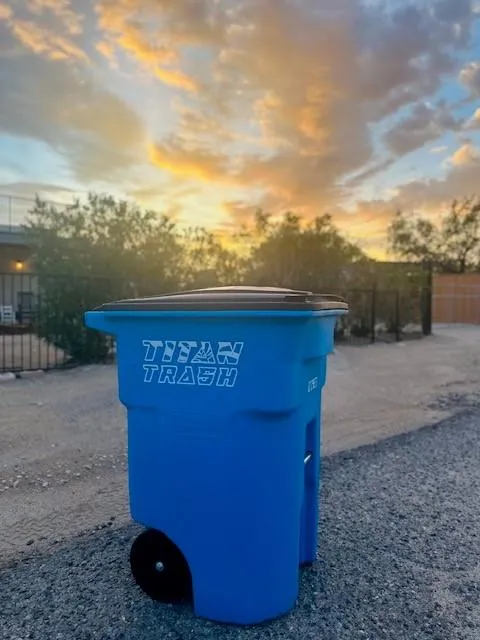
Titan Trash provides recycling schedules designed to keep neighborhoods organized, recycling participation consistent, and daily routines running smoothly. Local service, dependable pickup timing, and responsive support help recycling feel easy instead of frustrating. Contact us at Titan Trash to learn how a clear recycling schedule can support better organization in your community.